


Is Bone Grafting Painful? What Lincoln Patients Should Know
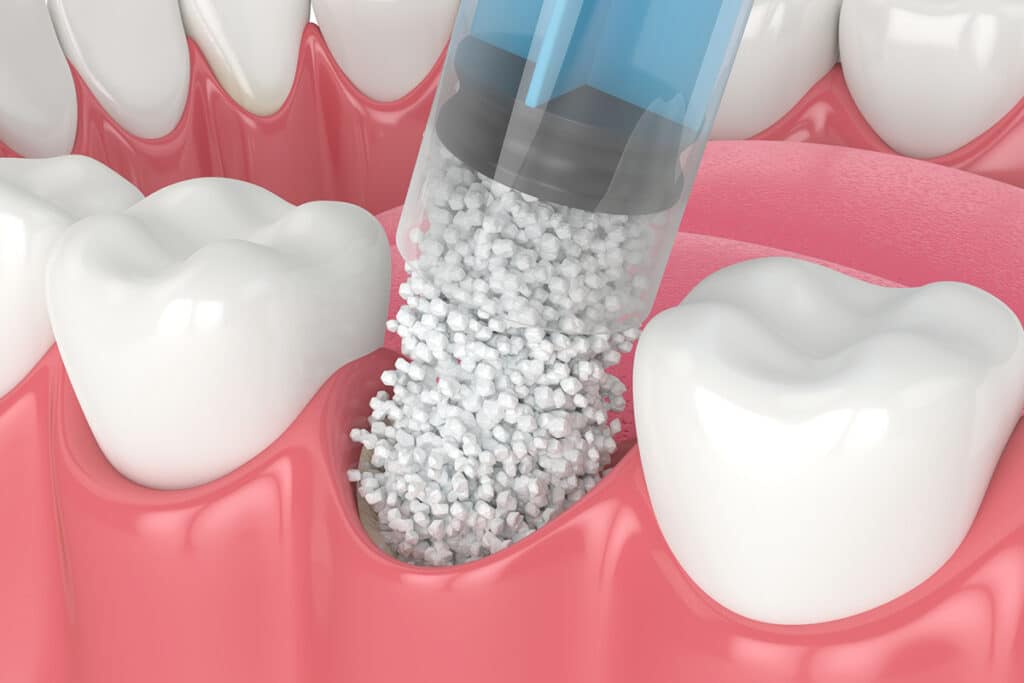
At our practice, we often meet patients who need dental implants but have lost jawbone. The most common solution is a bone graft. This procedure restores both the density and volume of the jaw. Naturally, one of the first questions we hear is, "Will it be painful?" Any oral surgery can cause apprehension, and we believe that clear, factual information best addresses these concerns. Our goal is to help you understand what the procedure involves, how we manage comfort, and what you can expect during recovery.
We want to demystify the process for our patients in Lincoln. Bone grafting provides a crucial, dependable foundation for successful, long-term dental implant placement. When we explain each step, from the initial consultation to the final healing phase, we can reduce your anxiety and show you that the procedure is more manageable than it may sound. Your comfort and confidence guide everything we do.
Understanding the Bone Grafting Procedure
Before we discuss the sensations involved, let’s clarify what a bone grafting procedure involves. The procedure rebuilds or augments the bone in your jaw, usually to create a stable base for a dental implant. You might lose bone for several reasons, such as tooth extraction, gum disease, or trauma. Without enough bone, a dental implant cannot hold securely. During the procedure, we place grafting material into the area where the bone is deficient. This material serves as a scaffold, allowing your body to form new, healthy bone tissue over time.
We perform the procedure under anesthesia so that you feel no pain. Our team uses local anesthesia to completely numb the treatment area, much like what you might experience with a filling or a root canal. If you feel anxious, we also offer sedation to help you relax throughout the appointment. We approach every part of the process with precision and care. After ensuring the area is fully numb, we make a small incision in your gum tissue to reach the underlying bone. We place the grafting material directly and then close the site with sutures. We focus on performing the procedure efficiently while always prioritizing your comfort.
How We Manage Discomfort During and After the Procedure
We take a comprehensive approach to pain management that starts even before your procedure. During your consultation, we walk you through the entire process, including the available anesthesia and sedation options. On the day of the surgery, a local anesthetic ensures that you do not feel any pain. You might notice slight pressure, but you will not experience irritation or discomfort. We double-check for numbness before starting any part of the procedure.
When the anesthesia wears off, you may feel some discomfort. This reaction is entirely normal as your body begins to heal. However, we give you a clear post-operative plan to help you manage recovery comfortably. This plan often includes:
- Prescription or Over-the-Counter Pain Relievers: We recommend the best medication for soreness. Most patients do well with over-the-counter options like ibuprofen.
- Cold Compresses: If you apply a cold pack to your cheek for the first 24-48 hours, you can reduce swelling and help numb the area for extra relief.
- Dietary Recommendations: We suggest eating soft foods for a few days to avoid putting pressure on the surgical site.
- Oral Hygiene Instructions: Keeping the area clean supports healing and protects against infection. We show you the safest ways to rinse your mouth and care for your graft without disturbance.
With these instructions, most patients find any discomfort minor and easy to manage. In most cases, soreness fades significantly within a few days.
What to Expect During the Recovery Period
Recovering from a bone graft procedure follows a gradual process. The first healing phase—when discomfort and swelling peak—lasts about 1 to 2 weeks. During this time, your gum tissue heals over the graft site. To ensure a smooth recovery and avoid complications, follow all post-operative instructions carefully. Make sure you rest, avoid strenuous activity, and do not smoke, since that can impede healing.
The most essential part of healing happens beneath the gums as the graft material fuses with your jaw and stimulates new bone growth. This process, known as osseointegration, takes several months. Even though this timeline sounds lengthy, ongoing discomfort will not last. After the first week or two, you can typically return to a regular diet and daily routines. We schedule all necessary follow-ups to monitor your healing with X-rays and ensure your bone rebuilds as planned. Patience pays off, as this phase lays the strong, stable foundation you need for a successful dental implant.
Your Comfort Is Our Priority
A bone grafting procedure plays a key role in restoring the function and appearance of your smile. You may experience some soreness after the procedure, but you will not have pain during the process itself. Our use of modern anesthesia, effective pain management, and thorough aftercare guidance ensures that your experience remains comfortable and stress-free. We will support you every step of the way, from the first consultation to your last follow-up.
Frequently Asked Questions About Bone Grafting
How long does it take to recover from a bone graft?
You can expect the initial recovery, which often includes minor swelling and discomfort, to last one to two weeks as your gum tissue heals. However, your bone needs several months to integrate with the graft fully. You should feel ready to return to normal activities within a few days, but we recommend waiting until complete bone regeneration is achieved before proceeding with a dental implant.
Is swelling normal after a bone grafting procedure?
Yes, swelling commonly occurs during healing. Most patients notice that swelling peaks 48-72 hours after the graft, then gradually subsides. Applying a cold compress to the treated area for the first 24-48 hours helps reduce swelling and provides relief. If swelling seems excessive or doesn’t fade, please contact our office.
We serve patients throughout Lincoln and surrounding communities, delivering full-spectrum dental care. We pair advanced technology with a supportive approach focused on you and your goals. If you would like to learn more about bone grafting or schedule a consultation, please reach out to us.