


Why You Might Need a Dental Crown After a Root Canal
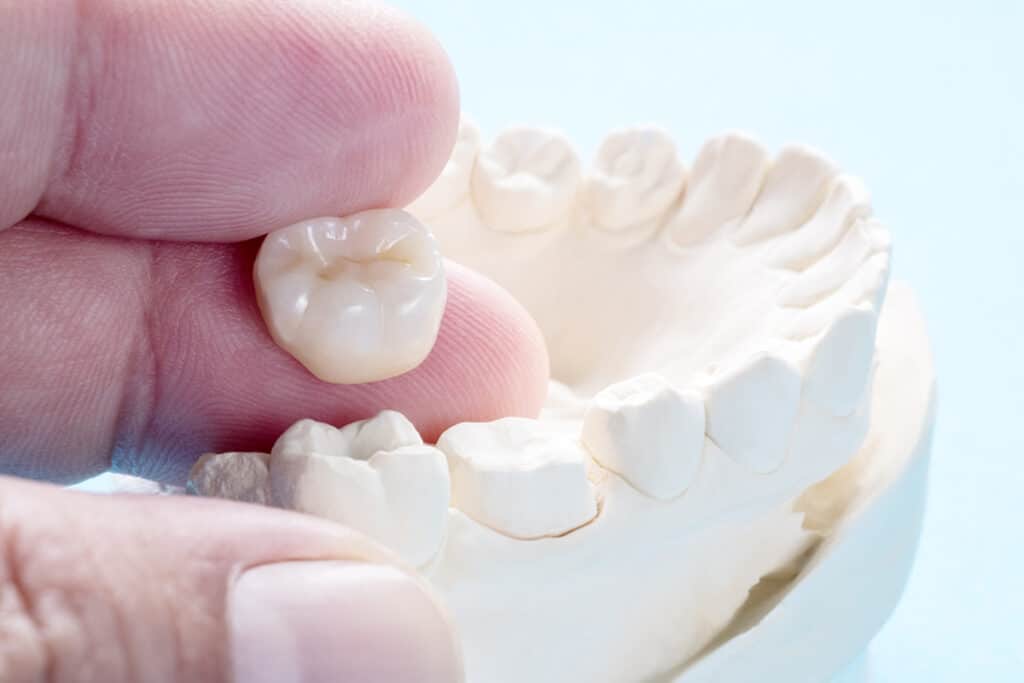
At our practice, we often encounter questions about restorative dental procedures. One of the most common topics is what happens after a root canal. Patients understandably want to know how we can ensure their teeth are strong and healthy for years to come. While a root canal is an excellent procedure for saving a natural tooth by removing infected pulp, the journey to complete restoration often doesn't end there. In many cases, the final, crucial step is placing a dental crown.
A root canal addresses the immediate problem—the infection inside the tooth—but it also fundamentally changes the tooth's structure. The process involves removing the nerve and blood supply, which, while necessary, leaves the tooth more brittle and susceptible to fracture. Think of it like a tree that is no longer living; its branches become dry and can easily snap under pressure. A dental crown acts as a protective helmet, covering the entire visible portion of the tooth to restore its strength, shape, and function. A crown ensures the tooth you worked so hard to save can continue to serve you well.
To Protect the Tooth from Fracture
Understanding Tooth Vulnerability After a Root Canal
The primary reason we recommend a dental crown after a root canal is to protect the tooth. A tooth that requires a root canal has often suffered extensive decay or trauma, which has already compromised its structural integrity. The procedure itself, while essential, involves drilling an access hole to reach the inner pulp chamber, which further hollows out the tooth. Once the pulp, nerves, and blood vessels are removed, the tooth loses its source of hydration and nourishment, effectively becoming non-vital. This dehydration process makes the tooth’s enamel and dentin significantly more brittle than that of a healthy, vital tooth.
Risks of Not Placing a Crown
Without a crown, this weakened tooth is highly vulnerable to fracturing under normal biting and chewing forces. Even something as simple as eating a crunchy piece of bread or an apple could cause a catastrophic crack. If the fracture extends below the gumline, the tooth may become non-restorable, in which case extraction would be the only option.
How a Crown Provides Protection
Placing a custom-fitted crown over the treated tooth encases it completely, absorbing and distributing the forces of chewing. This reinforcement prevents fractures and seals the tooth, allowing you to use it with confidence and preserving it as a functional part of your smile for many years.
To Restore Full Function and Appearance
Beyond providing strength, a dental crown is essential for restoring the tooth's full function and natural appearance. A tooth that has undergone a root canal may have been significantly damaged by decay, leaving it misshapen or discolored. In some instances, the non-vital tooth can darken over time, standing out from the surrounding teeth and affecting the aesthetics of your smile. This staining can make a person feel self-conscious when they speak or laugh. A crown is custom-made to solve these issues.
We meticulously design dental crowns to match the exact shape, size, and color of your natural teeth. Using modern materials like porcelain or ceramic, we can create a restoration that blends seamlessly into your smile, making it virtually indistinguishable from your natural teeth. This material not only restores the tooth's cosmetic appeal but also ensures it functions correctly. The crown rebuilds the tooth to its proper height and form, allowing it to meet opposing teeth correctly for an even bite. Correct alignment is crucial for comfortable chewing and for preventing other dental issues, such as tooth shifting or excessive wear on adjacent teeth.
To Seal and Prevent Future Infection
Another critical role of a dental crown is to provide a definitive seal over the treated tooth. After a root canal, the inside of the tooth is cleaned, disinfected, and filled with a rubber-like material called gutta-percha. A temporary or permanent filling is then placed on top to close the access opening. While this filling is effective, it is not designed to be a permanent barrier against the harsh environment of the mouth. Over time, fillings can wear down, micro-leakage can occur, and bacteria can seep back into the cleaned canals.
The Risks of Reinfection
If bacteria re-enter the tooth, a new infection can develop, leading to the failure of the root canal treatment. This problem would require either retreatment or extraction.
The Crown’s Protective Barrier
A dental crown provides a durable, comprehensive seal that extends down to the gumline. This barrier effectively isolates the underlying tooth structure and the root canal filling from oral bacteria, saliva, and food particles. By preventing reinfection, the crown safeguards the success of the root canal and protects your investment in saving your natural tooth.
Your Smile is Our Priority
Deciding to proceed with a root canal is a significant step toward preserving your oral health, and completing the process with a dental crown is the best way to ensure that effort leads to a lasting, successful outcome. By protecting the tooth from fracture, restoring its function and appearance, and sealing it from future infection, a crown provides the comprehensive support needed for a post-root canal tooth. It turns a vulnerable tooth back into a strong and reliable part of your smile. We are here to guide you through every step of the process, ensuring your comfort and delivering results that stand the test of time.
Frequently Asked Questions About Dental Crowns
How long does a dental crown last?
A dental crown's lifespan depends on several factors, including the material it is made from, your oral hygiene habits, and the amount of wear and tear it is exposed to. With proper care, including regular brushing, flossing, and dental check-ups, a high-quality crown can last anywhere from 10 to 15 years, and sometimes even longer. Avoiding habits like chewing ice or grinding your teeth can also significantly extend its longevity.
Is the process of getting a dental crown painful?
The process of getting a dental crown should not be painful. When we prepare the tooth for a crown, we administer a local anesthetic to ensure you are comfortable. If you are receiving a crown after a root canal, the nerve inside the tooth has already been removed, so the tooth itself will have no feeling. You might experience some minor gum tissue sensitivity after the procedure, but this feeling is temporary and manageable with over-the-counter pain relievers.
At Family and Implant Dentistry, we provide exceptional dental care for families in our community. From routine check-ups to advanced restorative treatments, our team is committed to helping you achieve and maintain a healthy, beautiful smile. To learn more about our services or to schedule an appointment, please contact us.